
This course is now delivered online via Zoom and Microsoft Teams. Please enquire for details.
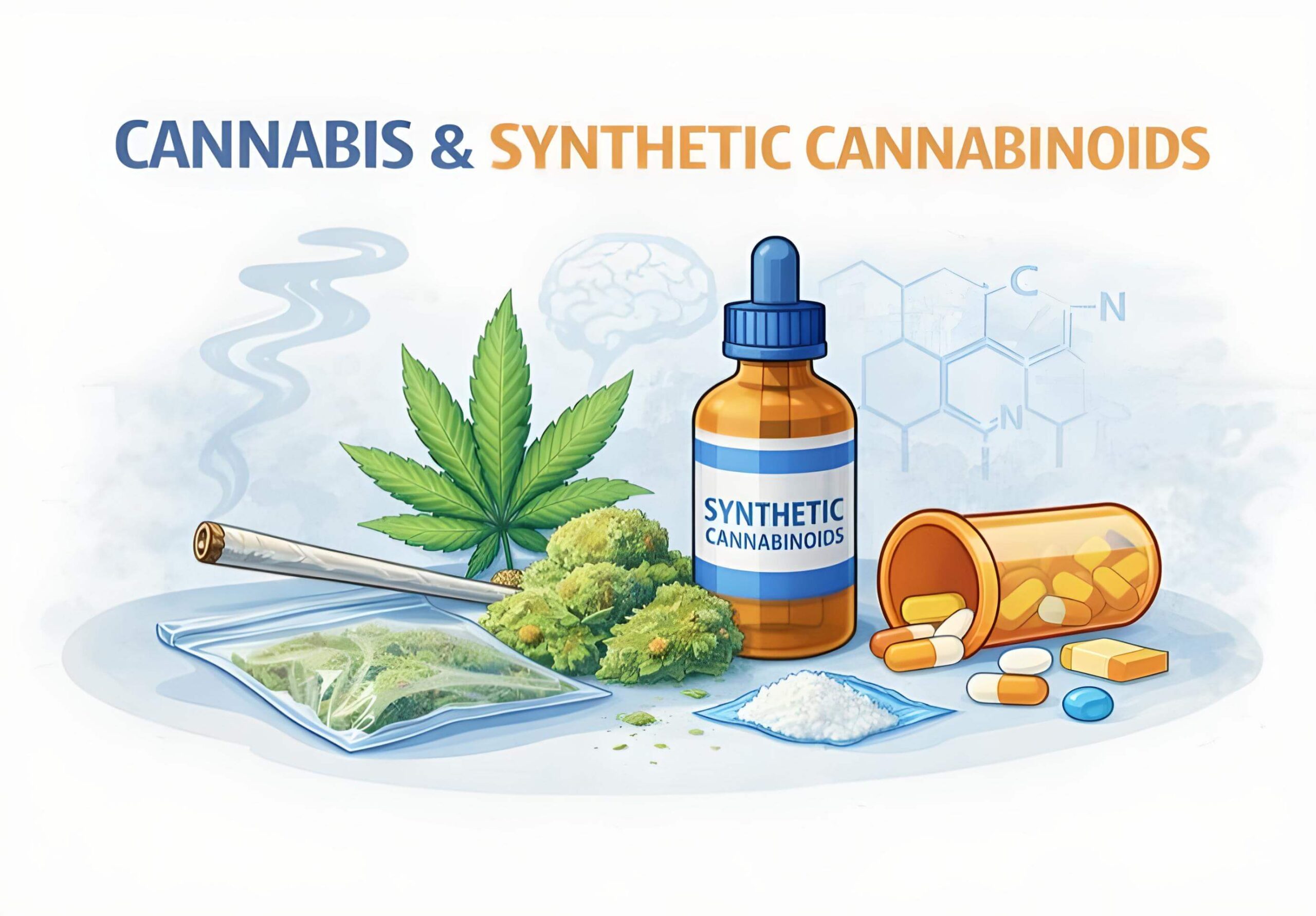
Skunk & Spice (Cannabis & Synthetic Cannabinoids)
In 1964 Dr. Raphael Mechoulam of the University of Tel Aviv isolates THC Delta-9, the primary active ingredient in cannabis.
Between 1984 to 2011, with funding by the National Institute on Drug Abuse, John W. Huffman and his colleagues created over 400 synthetic cannabinoids. Huffman synthesised a variety of chemical compounds, JWH-018 (Spice) was one of these compounds.
Course description and outline
This session focuses on cannabis and synthetic cannabinoids.
Aim
To achieve a deeper level of knowledge about common forms of cannabis and synthetic cannabinoids, together with health and psychiatric issues, appropriate interventions/treatments.
Current UK situation
Brief History
Different types of cannabis and synthetic cannabinoids
How they work
Harm minimisation strategies and techniques
Health and psychiatric implications
Current treatment
This course is delivered to teams / staff throughout the UK. Participants can be from a variety of services or new to the field. Former participants have include drug workers, managers, social workers, volunteers and students.
Capability Framework Alignment
This course aligns with the Capability Framework for the Drug and Alcohol Treatment and Recovery Workforce (NHS England/ OHID, 2024), which underpins the 10-Year Strategic Plan for the Drug and Alcohol Treatment and Recovery Workforce 2024–2034.
| Capability Domain (NHS England / OHID, 2024) | Framework Section |
| Knowledge of the nature, prevalence and patterns of cannabis and synthetic cannabinoid use in the UK, including current policy, legal status and the specific risks associated with high-potency skunk | Drug and Alcohol Worker: Application of Knowledge |
| Knowledge of the different types of cannabis and synthetic cannabinoid products — herbal, resin, concentrates, and branded synthetic cannabinoid products — and their varying potency and risk profiles | Drug and Alcohol Worker: Application of Knowledge |
| Knowledge of how cannabis and synthetic cannabinoids work — including THC, CBD, the endocannabinoid system, and the pharmacological differences that make synthetic cannabinoids unpredictable and more dangerous | Drug and Alcohol Worker: Application of Knowledge |
| Knowledge of the health and psychiatric risks associated with cannabis and synthetic cannabinoid use, including psychosis, acute toxicity, dependency, and co-occurring mental health needs | Drug and Alcohol Worker: Application of Knowledge |
| Ability to provide evidence-based harm minimisation advice for cannabis and synthetic cannabinoid users, including guidance on potency, routes of administration and reducing acute risk | Drug and Alcohol Worker: Harm Reduction, Treatment and Recovery |
| Recovery-oriented approach — working with individuals to build motivation, recovery capital and resilience in relation to cannabis and synthetic cannabinoid use | Underpinning Principle: All Roles |
| Challenging stigma — recognising how the normalisation of cannabis and the marginalisation of synthetic cannabinoid users (particularly in homeless and prison settings) can influence professional practice | Underpinning Principle: All Roles |
| Underpinning Principles Embedded in This Course Trauma-informed care • Recovery-oriented approach • Evidence-based practice • Person-centred working • Forming a working alliance • Therapeutic optimism • Challenging stigma • Co-occurring needs and multidisciplinary working |
Note: National Occupational Standards (DANOS/NOS) are retained within the National Occupational Standards library but are no longer the primary workforce development reference for the drug and alcohol treatment and recovery sector. This course uses the NHS England / OHID Capability Framework (2024) as its primary alignment standard.