
This course is now delivered online via Zoom and Microsoft Teams. Please enquire for details.
Course description
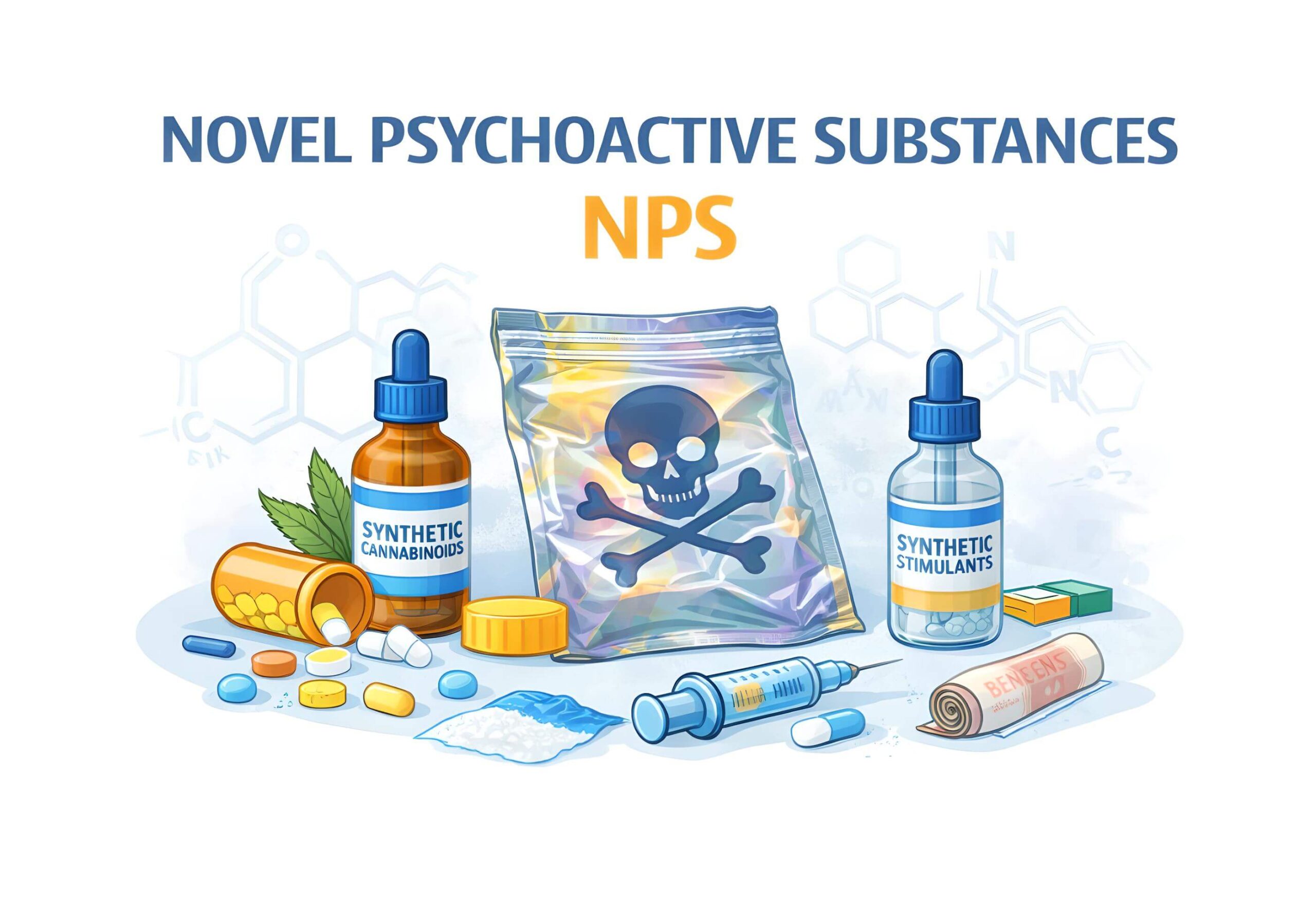
This legal highs training course focuses on different types, current prevalence, health / psychiatric issues and effective interventions.
Aims:
To explore current trends and prevalence in the UK
To gain a template for understanding the broad spectrum of new psychoactive substances and the main chemical groupings, to assist in making better informed decisions about how to respond
To achieve a deeper level of knowledge about common NPS such as synthetic cannabinoids and mephedrone, together with health and psychiatric issues, appropriate interventions/treatments
Understand and apply effective harm minimisation strategies and techniques
To increase confidence in working with this client group
To increase competence in working with this client group
Learning outcomes:
By the end of the session participants will be able to;
Summarise and understand the issues relating to Novel Psychoactive Substances and the chemical families they belong to
Know where to source information to identify new substances and a professional response to them, using new technologies and online tools
Explain how these drugs are used and the effects upon the body and nervous system
Apply evidence-based interventions and treatment tools to work with individual drug users symptoms / issues and how this fits into current care planning
Have increased their confidence, knowledge and skills in working with an NPS using client group
Staff that will benefit from this training include:
Drug Workers & Managers, Social Workers, Health / Mental Health Workers, Nurses & GPs, Psychiatrist, Youth Workers, Anti-Social Behaviour Workers, Youth Offending Teams, Probation Staff, Prison Staff, Teachers, University Staff, Student Unions, Housing Workers, Community Wardens, Police Community Support Officers and Police Officers.
Capability Framework Alignment
This course aligns with the Capability Framework for the Drug and Alcohol Treatment and Recovery Workforce (NHS England/OHID, 2024), which underpins the 10-Year Strategic Plan for the Drug and Alcohol Treatment and Recovery Workforce 2024–2034.
| Capability Domain (NHS England / OHID, 2024) | Framework Section |
| Knowledge of the nature, prevalence and current trends in novel psychoactive substance (NPS) use in the UK, including the impact of the Psychoactive Substances Act 2016 on availability and use patterns | Drug and Alcohol Worker: Application of Knowledge |
| Knowledge of the main NPS chemical families — cathinones, synthetic cannabinoids, dissociatives, novel psychedelics, synthetic opioids and depressants — and the specific risks associated with each group | Drug and Alcohol Worker: Application of Knowledge |
| Knowledge of commonly used NPS including synthetic cannabinoids (Spice/Mamba) and mephedrone (mcat), and their effects on physiology, neurology and mental health | Drug and Alcohol Worker: Application of Knowledge |
| Ability to use online tools, early warning systems and professional networks to identify new or emerging substances and develop an informed professional response | Drug and Alcohol Worker: Application of Knowledge |
| Knowledge of the health and psychiatric risks associated with NPS use, including acute toxicity, unpredictable potency, dependency, psychosis and co-occurring mental health needs | Drug and Alcohol Worker: Application of Knowledge |
| Ability to provide evidence-based harm minimisation information and advice to NPS users across a range of professional settings, including community, criminal justice, housing and health | Drug and Alcohol Worker: Harm Reduction, Treatment and Recovery |
| Ability to apply evidence-based psychosocial interventions and treatment tools in work with NPS-using clients and integrate these into person-centred care planning | Drug and Alcohol Worker: Harm Reduction, Treatment and Recovery |
| Ability to carry out person-centred assessments that address NPS use alongside co-occurring psychological, social, physical and safeguarding needs | Drug and Alcohol Worker: Engagement, Assessment and Care Planning |
| Recovery-oriented approach — supporting NPS-using clients to build motivation, reduce risk and develop recovery capital | Underpinning Principle: All Roles |
| Challenging stigma — recognising how stigma around NPS use, particularly in homeless and criminal justice settings, can be a barrier to engagement and support | Underpinning Principle: All Roles |
| Underpinning Principles Embedded in This Course Trauma-informed care • Recovery-oriented approach • Evidence-based practice • Person-centred working • Forming a working alliance • Therapeutic optimism • Challenging stigma • Co-occurring needs and multidisciplinary working |