
This course is now delivered online via Zoom and Microsoft Teams. Please enquire for details.
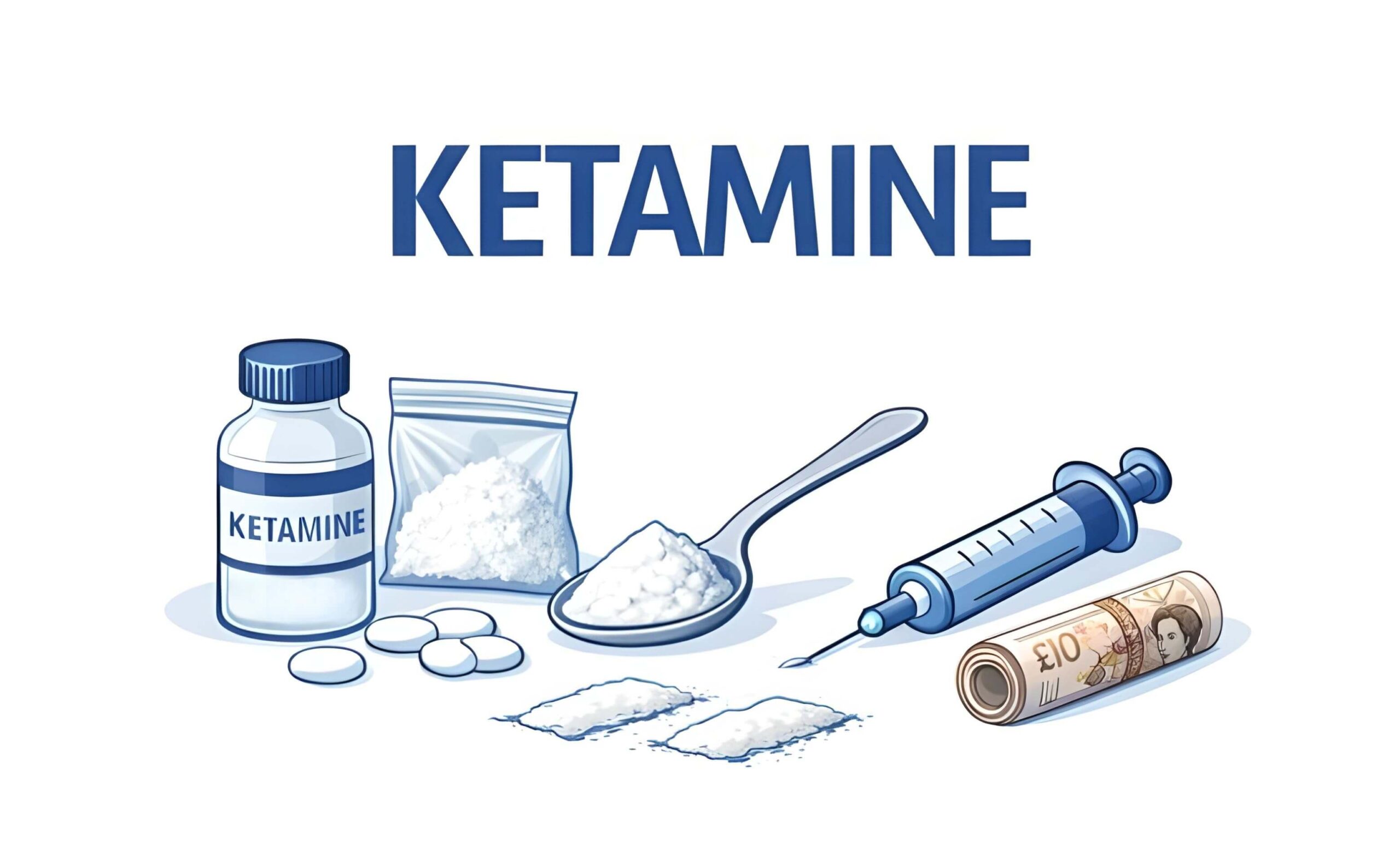
Ketamine hydrochloride has a wide range of effects in humans, including analgesia, anaesthesia, hallucinations, raised blood pressure and bronchodilation. It is primarily used as an anaesthetic within the NHS and by vets.
Course description
A knowledge-based ketamine training course focuses on interventions, effects on health, psychiatric implications and effective treatment and support. The course covers;
History of Ketamine
Different types & routes of use
How Ketamine works
Health
Psychiatric Issues
Current medical research
Treatment
Aims and objectives
Increase knowledge and awareness of the issues relating to Ketamine use.
Increase knowledge of how Ketamine is used and the effects upon individual’s physiology and neurology.
Understand the possible affects on health.
Increase confidence in working with this client group.
Increase capability in working with this client group.
Staff that will benefit from this training include:
Drug Workers & Managers, Social Workers, Health / Mental Health Workers, Nurses & GPs, Psychiatrist, Youth Workers, Anti-Social Behaviour Workers, Youth Offending Teams, Probation Staff, Prison Staff, Teachers, University Staff, Student Unions, Housing Workers, Community Wardens, Police Community Support Officers and Police Officers.
Capability Framework Alignment
This course aligns with the Capability Framework for the Drug and Alcohol Treatment and Recovery Workforce (NHS England/OHID, 2024), which underpins the 10-Year Strategic Plan for the Drug and Alcohol Treatment and Recovery Workforce 2024–2034.
| Capability Domain (NHS England / OHID, 2024) | Framework Section |
| Knowledge of the harm associated with the physical and psychological effects of ketamine, including urological damage, bladder dysfunction, dissociative states and dependence | Drug and Alcohol Worker: Application of Knowledge |
| Knowledge of the nature, prevalence and patterns of ketamine use in the UK, including recreational use, veterinary diversion and emerging trends among younger users | Drug and Alcohol Worker: Application of Knowledge |
| Ability to provide evidence-based harm reduction advice for ketamine users, including guidance on reducing frequency, dosing, routes of administration and bladder health monitoring | Drug and Alcohol Worker: Harm Reduction, Treatment and Recovery |
| Ability to personalise care for people from different groups, including those from younger demographics, festival/nightlife settings and ethnic minority backgrounds | Drug and Alcohol Worker: Harm Reduction, Treatment and Recovery |
| Recovery-oriented approach — working with individuals to build personal, social and community recovery capital | Underpinning Principle: All Roles |
| Challenging stigma — being alert to the ways negative perceptions can influence practice | Underpinning Principle: All Roles |
| Underpinning Principles Embedded in This Course Trauma-informed care • Recovery-oriented approach • Evidence-based practice • Person-centred working • Forming a working alliance • Therapeutic optimism • Challenging stigma • Co-occurring needs and multidisciplinary working |
Note: National Occupational Standards (DANOS/NOS) are retained within the National Occupational Standards library but are no longer the primary workforce development reference for the drug and alcohol treatment and recovery sector. This course uses the NHS England / OHID Capability Framework (2024) as its primary alignment standard.