
This course is now delivered online via Zoom and Microsoft Teams. Please enquire for details.
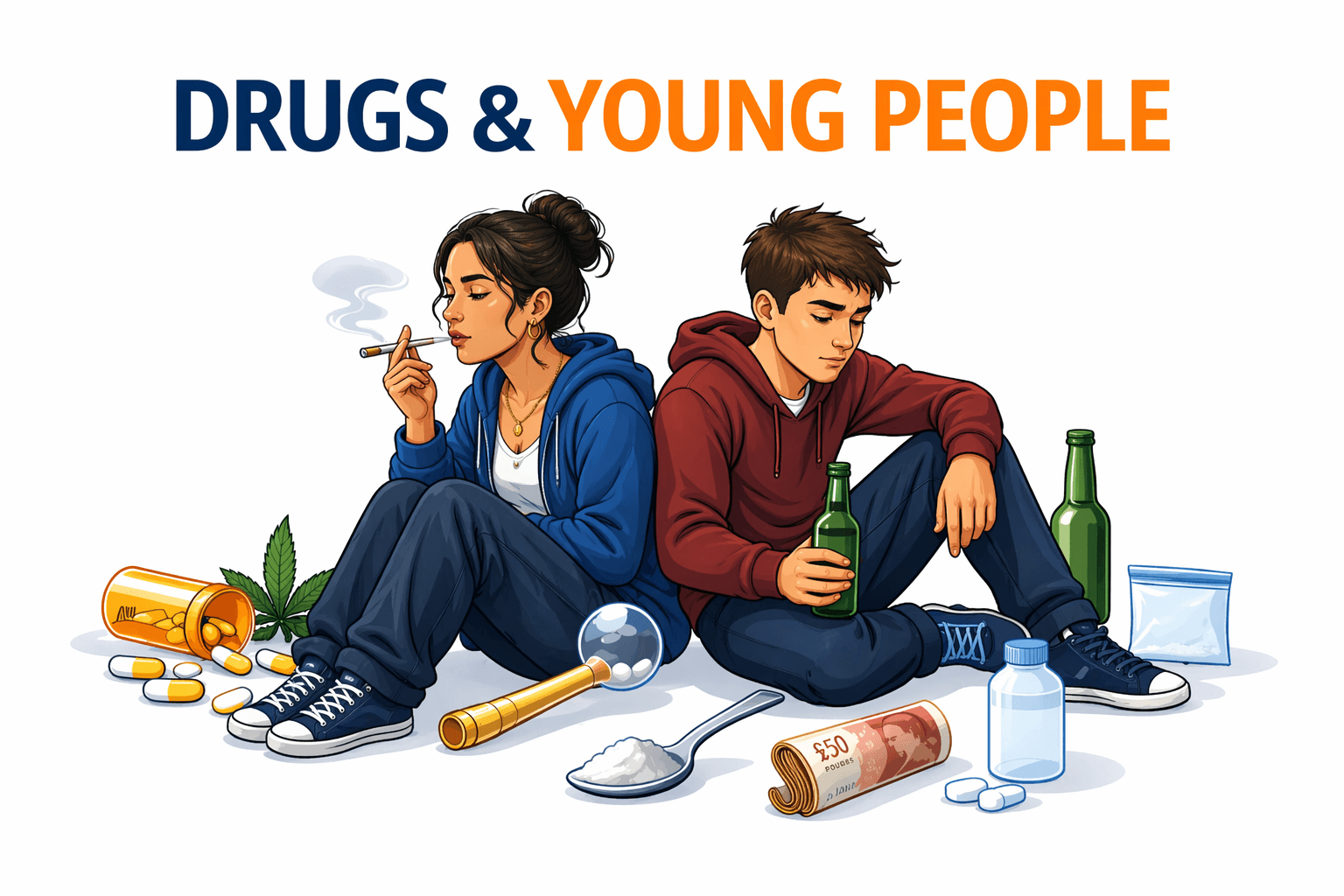
This drugs & young people training course will help workers understand the types of drugs young people may take, patterns of use, effects on health and wellbeing and how to support and refer users to appropriate services.
Course description
This course covers the most commonly used drugs young people may use, including novel psychoactive substances (former legal highs), prescription medication (such as Xanax), cannabis and alcohol. It also covers issues such as ‘county lines’ and adolescent trauma. The course will help workers to identify symptoms, respond appropriately, and know when to refer to specialist services.
Aims and objectives
By the end of the course, participants will be able to:
Understand the different types of drugs young people use
Understand the effects on health and psychiatric issues
Provide appropriate and accurate advice and information to young people on drugs
Provide effective support and know when to refer to other services
Target audience
Youth Workers
Youth Offending Teams
Probation
Teachers
University Wardens
Student Unions
School Nurses
Community Wardens
Police Community Support Officers
Police Officers
Social Workers
Capability Framework Alignment
This course is aligned to the Capability Framework for the Drug and Alcohol Treatment and Recovery Workforce (NHS England / OHID, 2024), which underpins the 10-Year Strategic Plan for the Drug and Alcohol Treatment and Recovery Workforce 2024–2034.
| Capability Domain (NHS England / OHID, 2024) | Framework Section |
| Knowledge of the nature, prevalence and patterns of drug and alcohol use among young people in the UK, including trends in NPS, cannabis, vaping and prescription drug misuse | Drug and Alcohol Worker: Application of Knowledge |
| Knowledge of the developmental and neurological effects of substance use on young people, including impacts on mental health, behaviour and educational outcomes | Drug and Alcohol Worker: Application of Knowledge |
| Knowledge of the relationship between adverse childhood experiences (ACEs), adolescent trauma and substance use | Drug and Alcohol Worker: Application of Knowledge |
| Ability to recognise signs and symptoms of drug and alcohol use in young people and respond in an age-appropriate, trauma-informed way | Drug and Alcohol Worker: Engagement, Assessment and Care Planning |
| Ability to provide age-appropriate substance-related information and advice to young people and the workers who support them | Drug and Alcohol Worker: Harm Reduction, Treatment and Recovery |
| Ability to identify the indicators of county lines involvement and criminal exploitation and respond in line with safeguarding responsibilities | Drug and Alcohol Worker: Engagement, Assessment and Care Planning |
| Ability to clarify professional role boundaries and know when and how to refer young people to specialist drug and alcohol services or other agencies | Drug and Alcohol Worker: Engagement, Assessment and Care Planning |
| Recovery-oriented approach — working with young people to build personal, social and community recovery capital | Underpinning Principle: All Roles |
| Challenging stigma — being alert to the ways negative perceptions of young people who use drugs can influence practice | Underpinning Principle: All Roles |
| Underpinning Principles Embedded in This Course Trauma-informed care • Recovery-oriented approach • Evidence-based practice • Person-centred working • Forming a working alliance • Therapeutic optimism • Challenging stigma • Co-occurring needs and multidisciplinary working |