
This course is now delivered online via Zoom and Microsoft Teams. Please enquire for details.
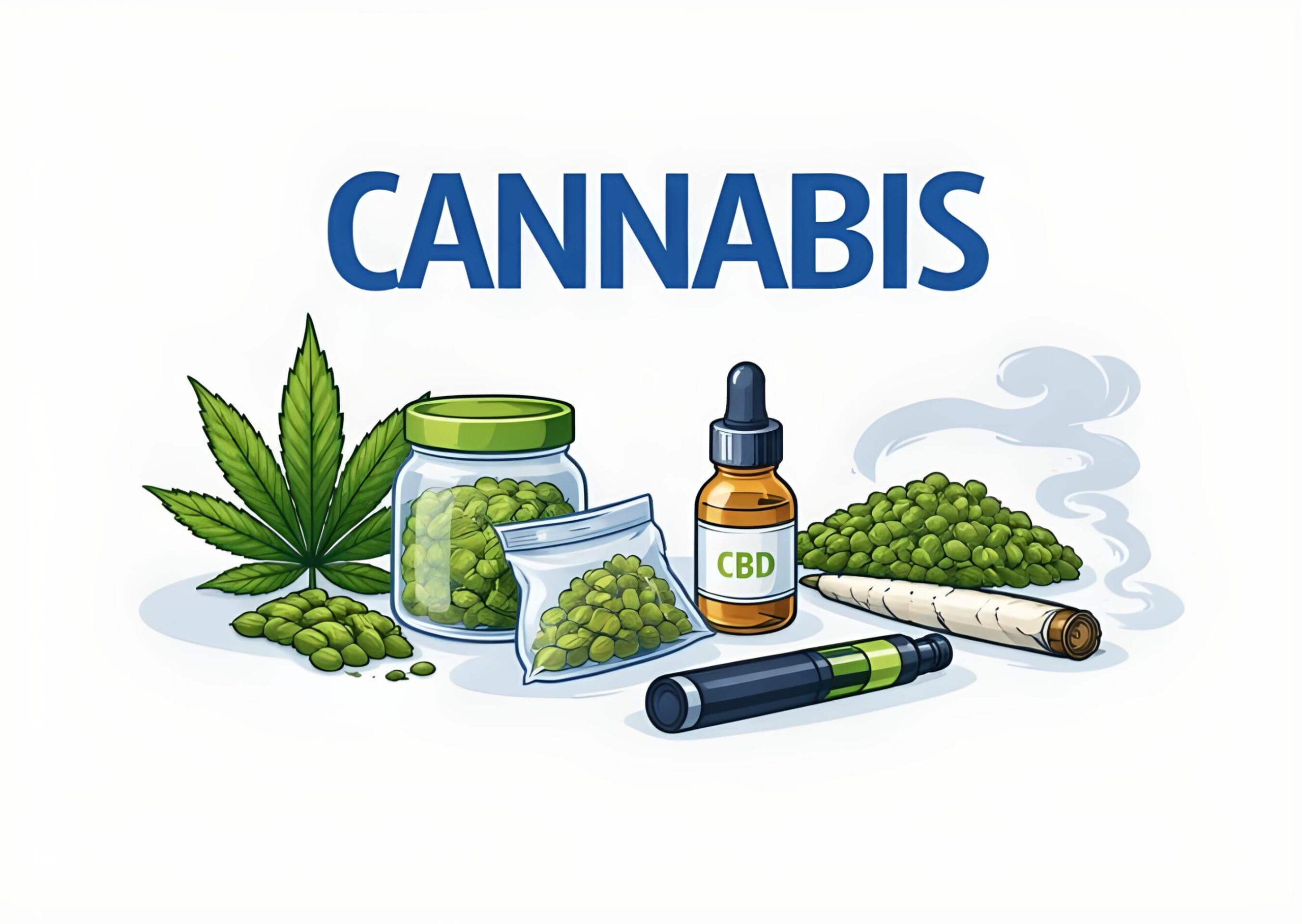
Cannabis or hemp are a product of the plant Cannabis sativa , indica and ruderalis. It is consumed in different forms and goes by various names such as grass, weed, marijuana or ganja in its herbal form and ‘hashish’, ‘solid’ or ‘soap bar’ in its resinous form. Cannabis can also come as an oil or concentrate such as ‘shatter’ and is now used in medicine as a spray (Sativex) and other applications such as supposotries and patches are being explored. Though the main psychoactive chemical compound in cannabis is THC, the plant is known to contain about sixty or so cannabinoids.
Course description
A knowledge and skills-based cannabis training course. The course focuses on specific interventions, health, psychiatric issues and appropriate treatment.
The course covers;
- History of hemp
- Current world and UK situation
- Different types
- How cannabis works
- Synthetic cannabinoids
- Health and Psychiatric implications
- Current treatment
Aims and objectives
- Increase knowledge and awareness of the issues relating to cannabis use
- Increase knowledge of how cannabis is used and the effects upon individual’s physiology and neurology
- Understand the possible affects on health.
- Increase confidence in working with this client group
- Increase capability in working with this client group
Staff that will benefit from this training include:
Drug Workers & Managers, Social Workers, Health / Mental Health Workers, Nurses & GPs, Psychiatrist, Youth Workers, Anti-Social Behaviour Workers, Youth Offending Teams, Probation Staff, Prison Staff, Teachers, University Staff, Student Unions, Housing Workers
Capability Framework Alignment
This course aligns with the Capability Framework for the Drug and Alcohol Treatment and Recovery Workforce (NHS England/ OHID, 2024), which underpins the 10-Year Strategic Plan for the Drug and Alcohol Treatment and Recovery Workforce 2024–2034.
| Capability Domain (NHS England / OHID, 2024) | Framework Section |
| Knowledge of the nature, prevalence and patterns of cannabis use in the UK, including current policy, legal status and global trends in regulation and medical use | Drug and Alcohol Worker: Application of Knowledge |
| Knowledge of the different types of cannabis — herbal, resin, oil, concentrates, synthetic cannabinoids and medical cannabis preparations — and their varying potency and risk profiles | Drug and Alcohol Worker: Application of Knowledge |
| Knowledge of how cannabis works — including the role of THC, CBD, the endocannabinoid system, and the pharmacological differences between natural and synthetic cannabinoids | Drug and Alcohol Worker: Application of Knowledge |
| Knowledge of the health and psychiatric risks associated with cannabis use, including cannabis use disorder, THC-induced psychosis, dependency, respiratory harm and co-occurring mental health conditions | Drug and Alcohol Worker: Application of Knowledge |
| Knowledge of the specific risks associated with synthetic cannabinoids, including severe acute toxicity, unpredictable effects and prevalence in prison and homeless populations | Drug and Alcohol Worker: Application of Knowledge |
| Ability to provide evidence-based harm reduction information and advice to people who use cannabis, including guidance on potency, routes of administration and reducing frequency | Drug and Alcohol Worker: Harm Reduction, Treatment and Recovery |
| Ability to carry out person-centred assessments of cannabis use and co-occurring psychological, social and physical health needs | Drug and Alcohol Worker: Engagement, Assessment and Care Planning |
| Challenging stigma — being alert to the ways normalisation of cannabis use and negative perceptions can influence professional practice | Underpinning Principle: All Roles |
| Underpinning Principles Embedded in This Course Trauma-informed care • Recovery-oriented approach • Evidence-based practice • Person-centred working • Forming a working alliance • Therapeutic optimism • Challenging stigma • Co-occurring needs and multidisciplinary working |